
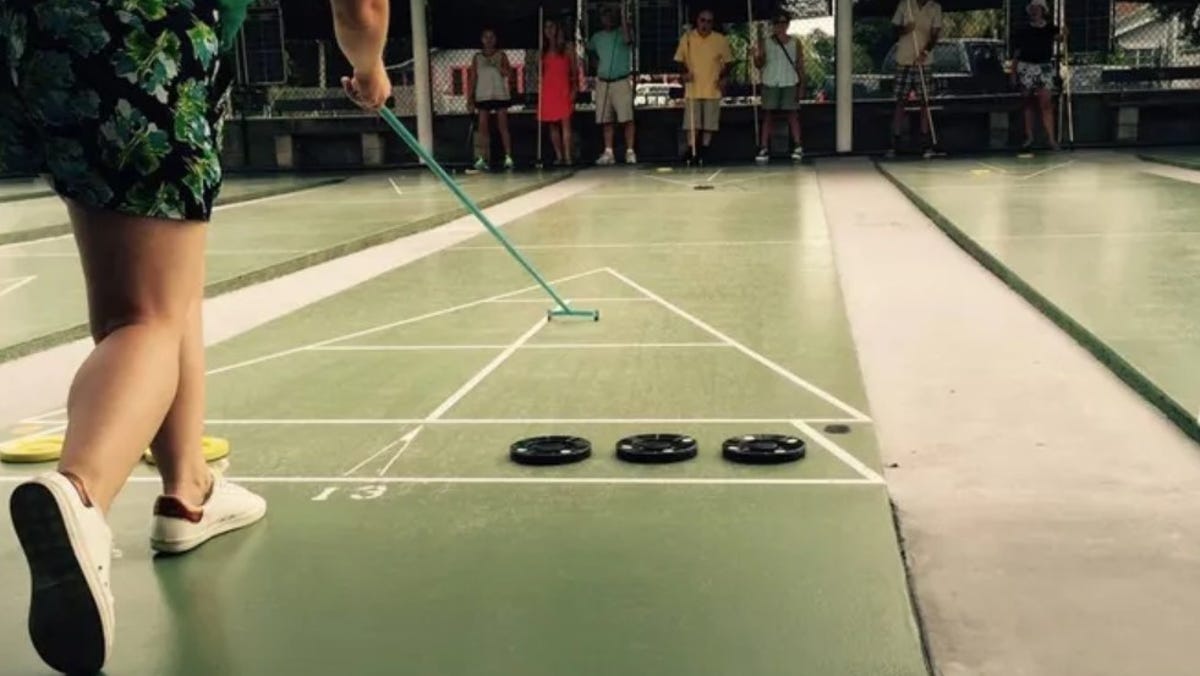
While some people may believe that games such as shuffleboard provide no value beyond fun, they actually provide benefits beyond that.
Micky Verhaeg, CEO and Founder of Shuffly, recently shared that the combination of strategy, hand-eye coordination and social interaction makes shuffleboard an ideal activity for mental sharpness.
Verhaeg explained that shuffleboard requires players to use spatial awareness, precision and tactical thinking — skills that help maintain brain health across all age groups.
Improved cognitive function
“Shuffleboard stimulates multiple areas of the brain simultaneously,” said Verhaeg. “Players must calculate angles, judge distances and plan several moves ahead.”
The premium shuffleboard manufacturer’s founder noted that these mental calculations create new neural pathways. Regular players often report improved concentration in daily activities.
“Many people notice better focus and decision-making skills after playing shuffleboard regularly for just a few months,” he added.
This aligns with research showing physical activities involving strategy and coordination support brain health. Studies indicate activities combining physical movement with mental challenges, particularly benefit cognitive function.
Social connection benefits
“The social aspect of shuffleboard cannot be overstated,” Verhaeg explained. “It brings people together in a way that feels natural and enjoyable.”
Unlike digital entertainment, shuffleboard creates face-to-face interactions. Players chat, laugh and build connections while competing.
Verhaeg pointed out that many shuffleboard enthusiasts form lasting friendships through regular games. “We see people from different backgrounds connecting over shuffleboard tables every day.”
Physical activity advantages
The physical component of shuffleboard provides light exercise that suits people of all ages and abilities.
“Shuffleboard involves standing, walking around the table, and precise arm movements,” said Verhaeg. “It’s gentle enough for anyone to play but still provides beneficial physical activity.”
According to Physio-pedia, even light physical activities show positive effects on health outcomes. Their research indicates improving physical ability and lifestyle behaviours promotes resilience and healthy ageing.
Cross-generational appeal
“One of shuffleboard’s greatest strengths is its ability to bring different generations together,” Verhaeg noted.
The game’s simple rules make it accessible to everyone from children to grandparents. This creates rare opportunities for cross-generational interactions.
Verhaeg shared stories of families purchasing shuffleboard tables specifically to create quality time together. “Grandparents teach grandchildren, parents compete with their kids; it bridges age gaps beautifully.”
Mental health benefits
The combination of gentle exercise, social interaction and focused attention creates a powerful mental health boost.
“Players often describe a state of flow when playing shuffleboard,” said Verhaeg. “They become fully absorbed in the game, which acts as a natural stress reliever.”
Researchers have long noted the connection between light physical activity and improved mental wellbeing. The Physical Activity Scale for the Elderly assessment tool specifically measures leisure activities like shuffleboard as contributors to overall health.
Verhaeg summarised that shuffleboard’s unique combination of mental challenge, physical activity and social interaction makes it an ideal activity for cognitive health.
“What makes shuffleboard special is that it doesn’t feel like exercise or brain training – it’s simply fun,” he said. “Yet it delivers significant benefits for brain health and social connections that many people are seeking.”
link