
Vision loss is linked to socioeconomic disadvantage. Poor vision contributes to inequalities for marginalised and socially disadvantaged populations. 90% of people affected by eye diseases live in low- and middle-income countries. Sub-Saharan Africa is one of the worst-affected regions.
- 1.1 billion people globally have a vision impairment
- 43 million people are blind
- 90% of people with vision loss and blindness can be helped
Common causes of vision impairment and eye diseases
Child Blindness
About 2 million children worldwide are blind, and 12 million are visually impaired due to uncorrected visual impairment, vitamin A deficiency, cataracts, untreated infections or injuries.
Light for the World’s “1, 2, 3 I can see!” programme is an ambitious 10-year initiative to sustainably improve child eye health services in Burkina Faso, Ethiopia, Mozambique and Uganda.
“1, 2, 3 I can see!” advocates for the promotion of eye health in schools and works to reinforce healthcare systems, leading to the early detection and provision of quality eye care services for children with vision issues.
Cataract
As the world’s most common cause of blindness, cataract has taken sight from more than 20 million people. Age, injury or genetics can cause the typical cloudy lens. Cataracts can be corrected with a simple 15-minute operation.
Glaucoma
Glaucoma is another leading cause of blindness. Treatments include medication and operations. Restoring lost sight is impossible, but remaining sight can be preserved. Early detection is key!
Trachoma
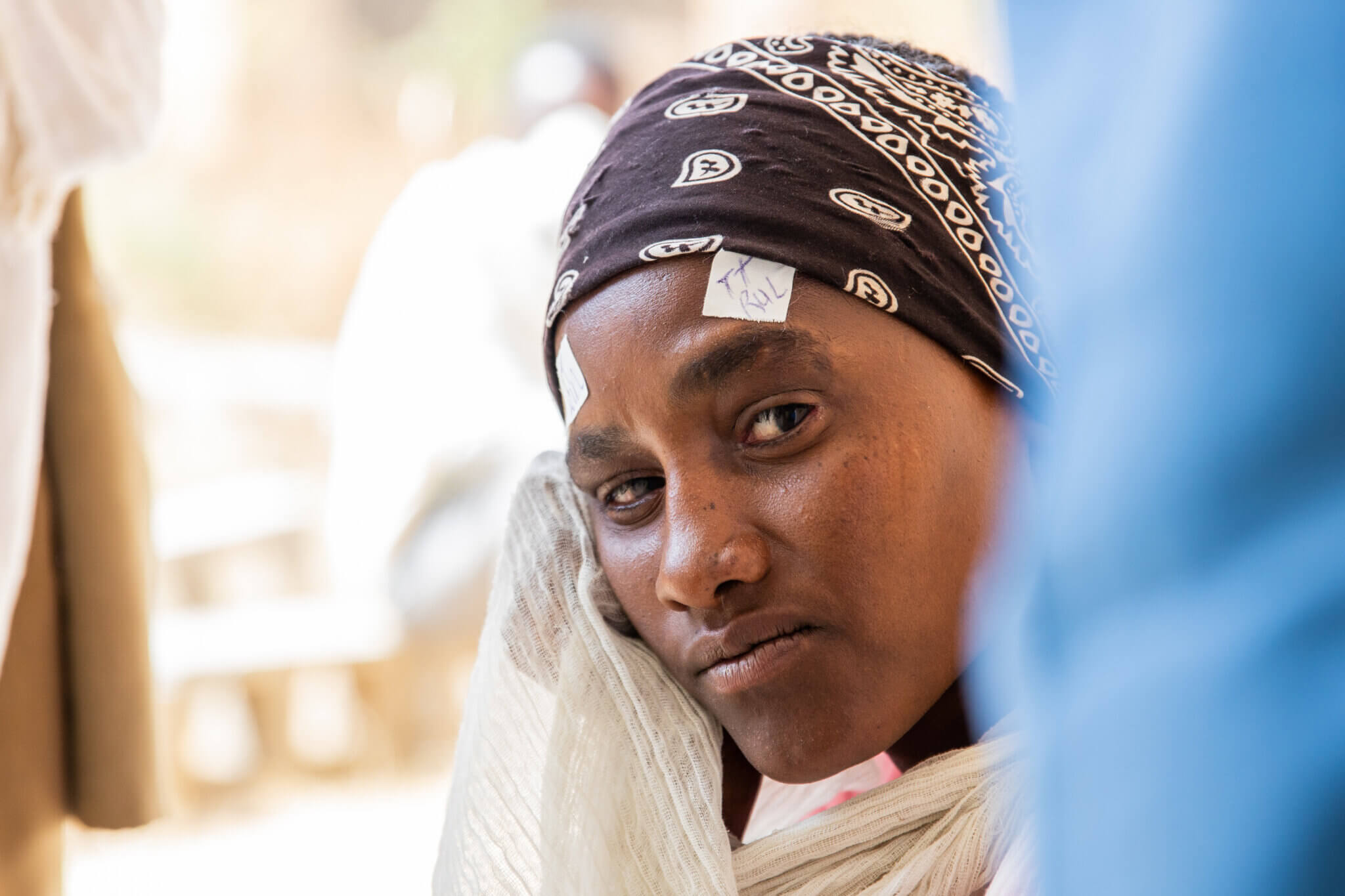
Trachoma is the most common infectious cause of blindness worldwide. Repeated infections cause the inside of the eyelid to scar, making the eyelashes turn inward. These, in turn, scratch the cornea, leading to irreversible blindness. In the early stages, the disease is curable with antibiotics and preventable through improved hygiene. In the final stage, only eyelid surgery can prevent loss of sight.
Uncorrected Refractive Errors
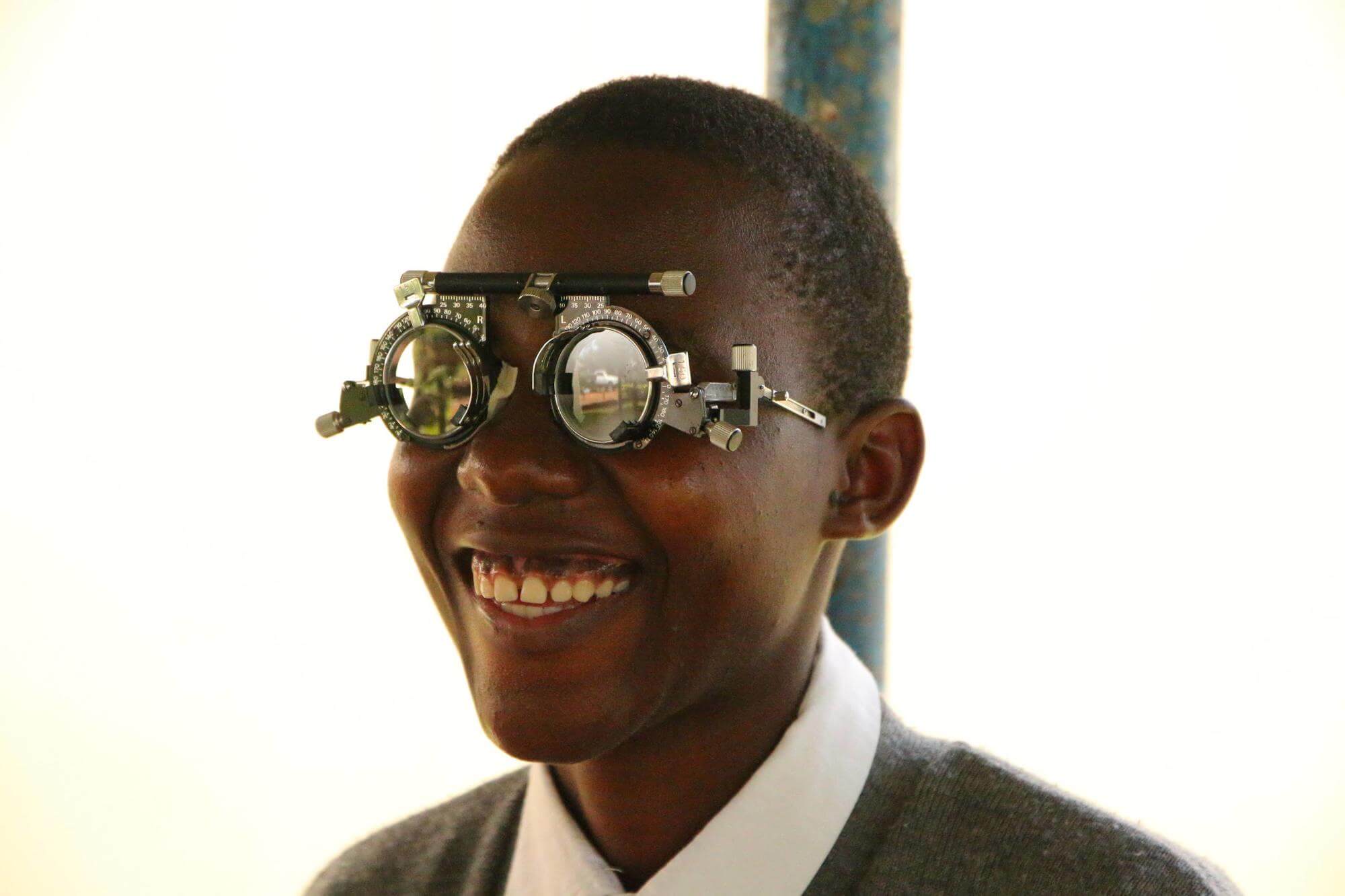
153 million people live with a visual impairment, many due to uncorrected refractive errors. In most cases, a pair of glasses will allow them to see clearly again.
Our commitment to people with low vision
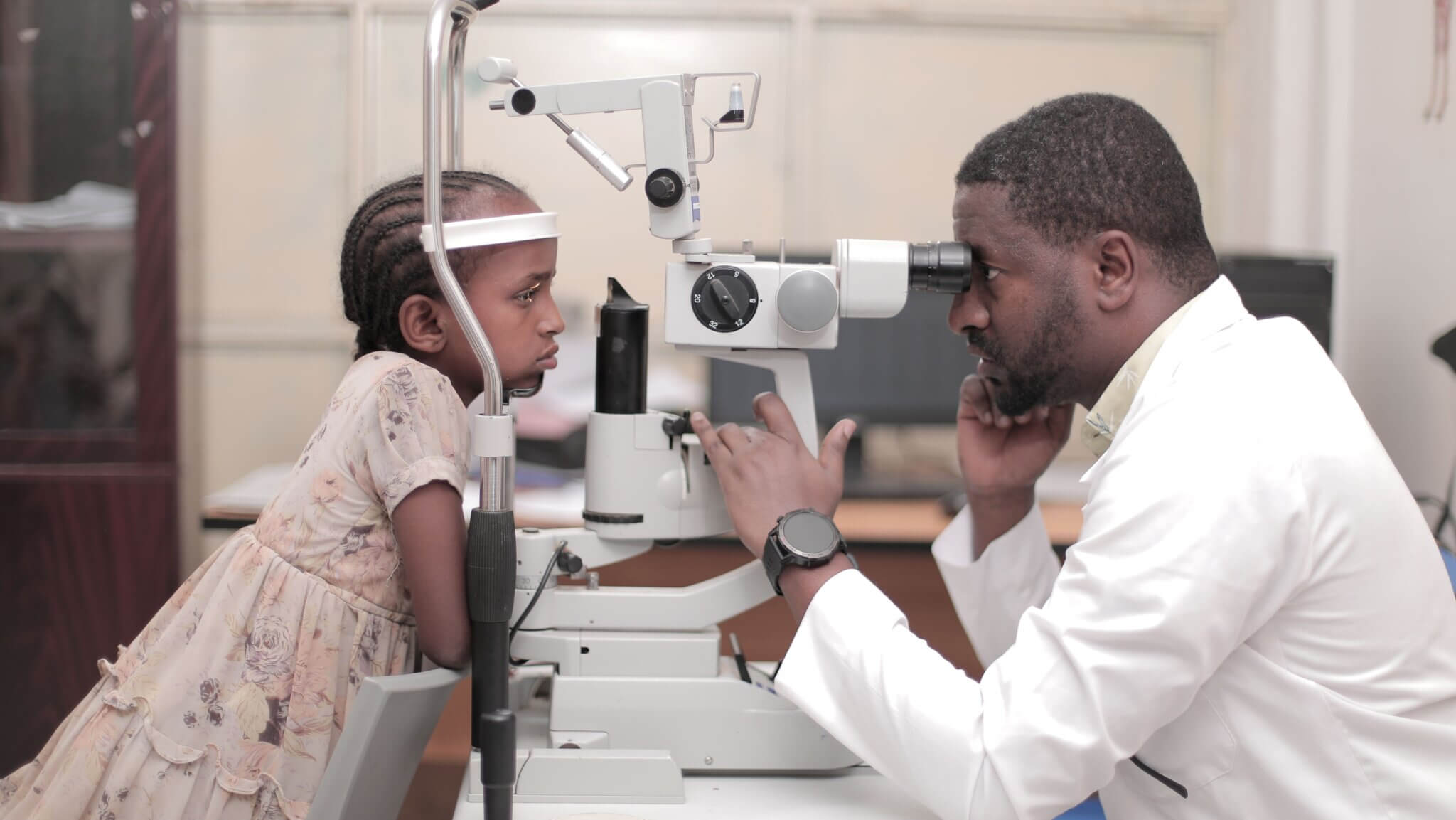
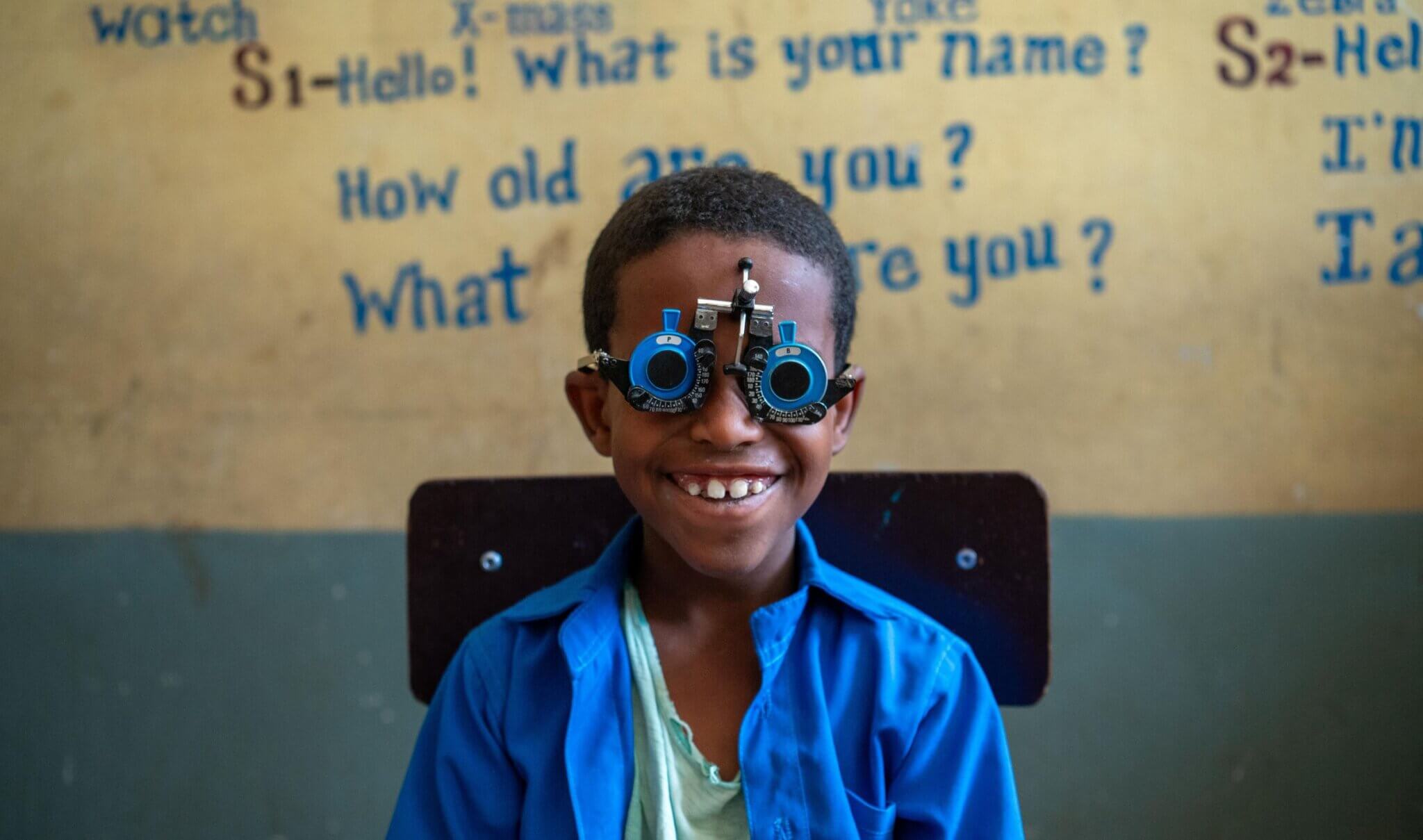
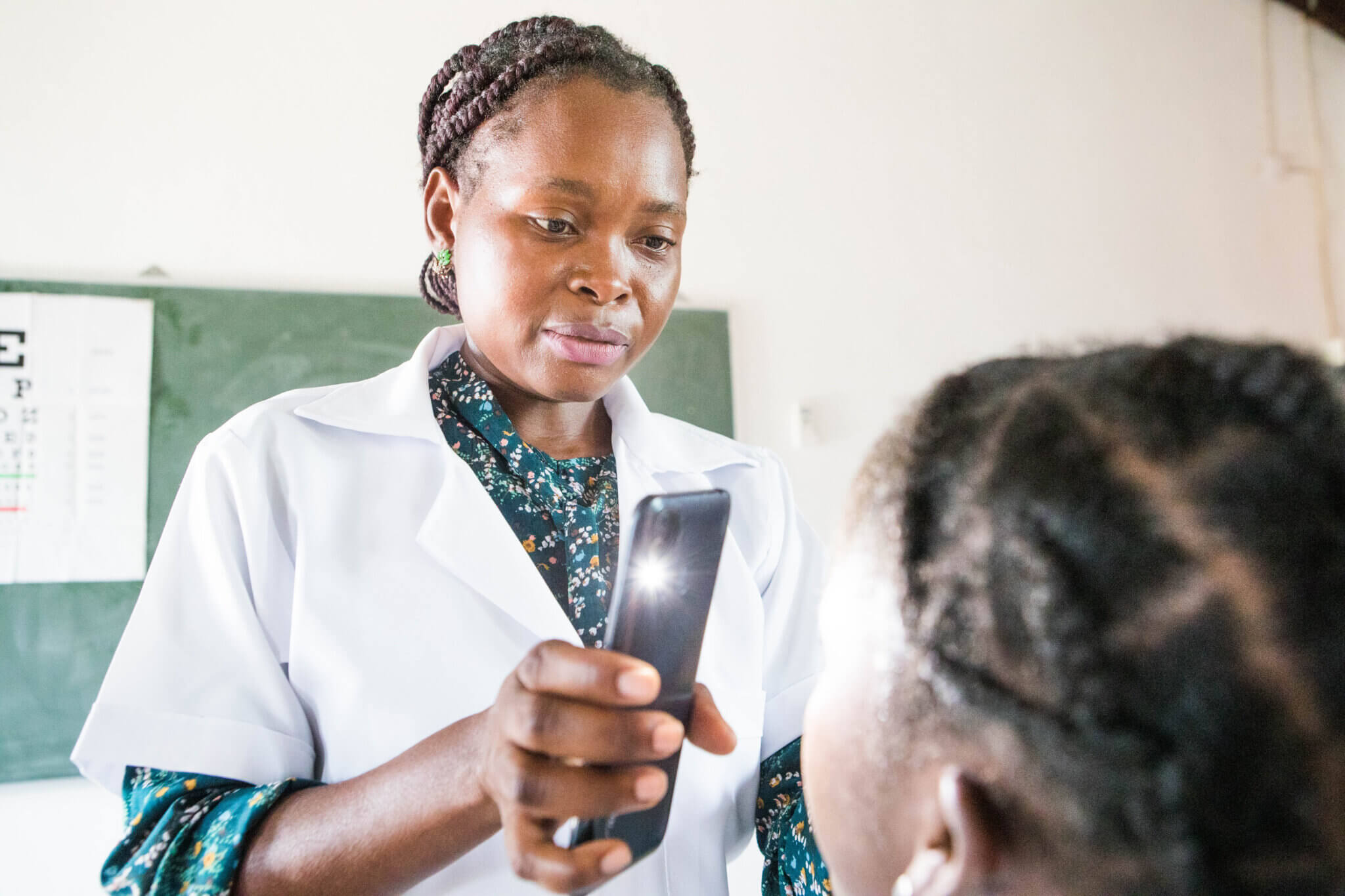
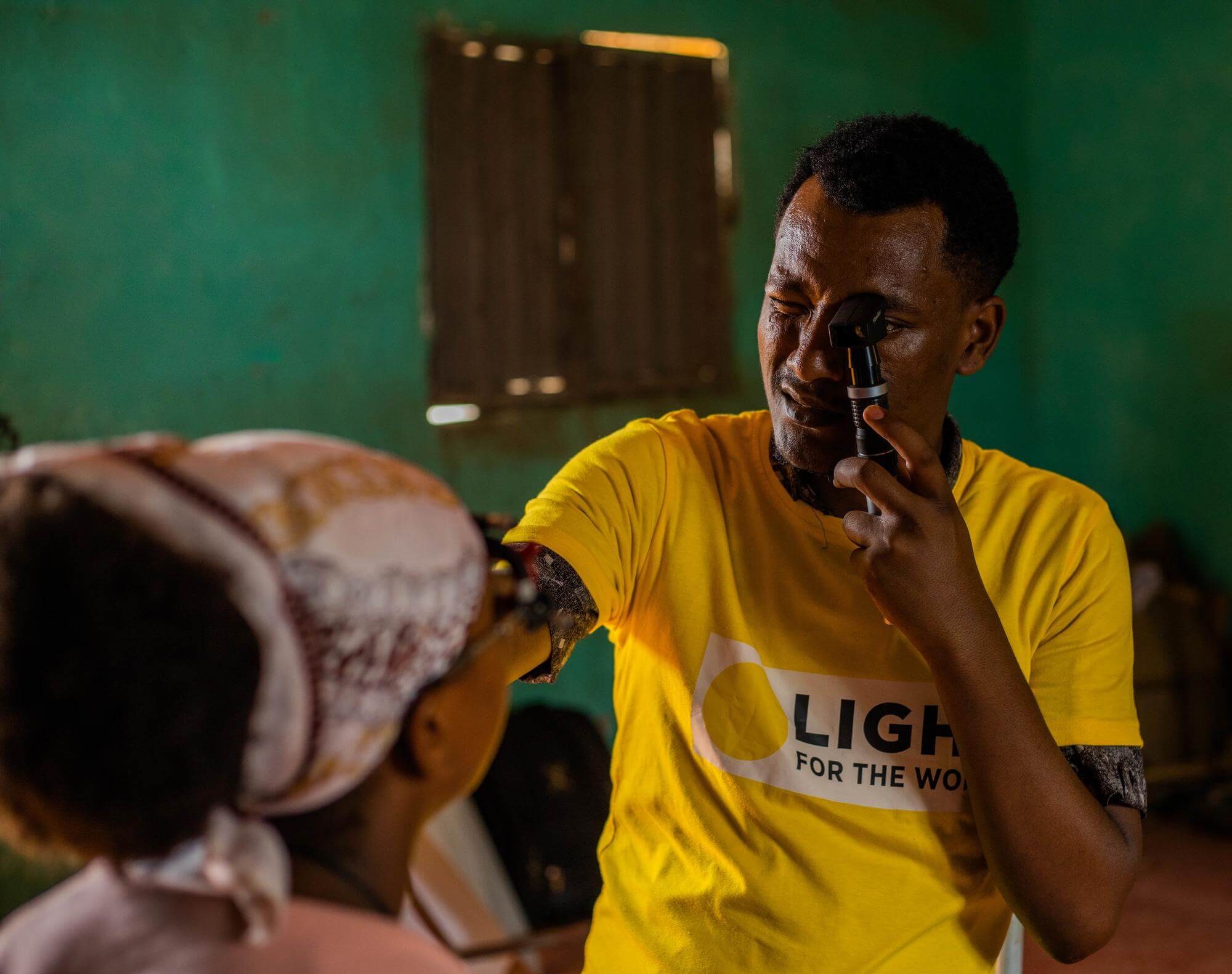
Light for the World promotes eye health for all by:
- Strengthening health systems
- Training local experts: ophthalmologists, nurses and opticians
- Ensuring access to eye healthcare for women and children as well as people with disabilities, in rural areas and for those who cannot afford services
- Providing technical equipment to enable the treatment of eye diseases
- Promoting eye health care, creating awareness and advocating for new guidelines and laws
Learn more

Eye Health Policy Brief (English)
pdf – 563 KB
Thematic theory of change Eye Health
pdf – 374 KB
Capacity Statement: Eye Health
pdf – 657 KB
link