
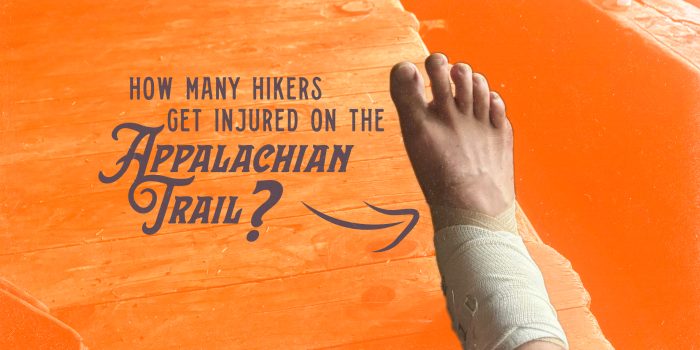
Are you dreaming of conquering the AT, but dreading the possibility of twisted ankles and aching knees? You’re not wrong to be concerned. The 2024 Appalachian Trail Thru-Hiker Survey, which gathered responses from 389 hikers, revealed that over half of them experienced some form of injury during their trek.
A whopping 54% of thru-hikers in our survey experienced some kind of injury on-trail last year, but don’t let that number scare you off. Thankfully, only about 5% of 2024 hikers in our survey had to end their hike due to injuries.
Still, about half of those reporting injuries said they had to slow down or take time off to recover, while 40% ended up hiking through the pain. Whether an injury takes you off trail or not, it’s safe to say that getting hurt will change the character of your hike, whether by slowing you down or introducing additional aches and pains.
As much as possible, it’s worth taking steps to avoid getting hurt in the first place. With a little information and preparation, you can significantly reduce your risk and keep your adventure on track.

What the Stats Say
Perhaps unsurprisingly on a 2,200-mile hike, overuse injuries like shin splints, plantar fasciitis, and tendonitis were among the most common afflictions reported by Appalachian Trail thru-hikers. Acute injuries like sprains and broken bones, which often result from stumbles and falls, were also relatively common.
Sprains topped the list of common injuries, followed by plantar fasciitis and shin splints. Tendonitis seemed to be the most consistently disruptive injury, causing almost all afflicted hikers to slow down or take breaks. Many hikers showed incredible resilience; around 40% hiked through the pain, and some even continued despite broken bones (I do not endorse this)!
Check out the table below, sourced from the 2024 survey, for a more detailed breakdown of how different types of injuries affected thru-hikers last year.
| Injury | Number of Hikers | Ended Hike | Took Time Off | Slowed Down | Did Not Affect Hike |
|---|---|---|---|---|---|
| Sprain | 39 | 1 | 10 | 12 | 14 |
| Plantar fasciitis | 31 | 1 | 1 | 9 | 19 |
| Shin splints | 23 | 0 | 4 | 9 | 10 |
| Achilles issue | 19 | 0 | 4 | 8 | 6 |
| Knee issue | 18 | 1 | 5 | 3 | 7 |
| Tendonitis | 17 | 0 | 7 | 8 | 2 |
| Bone break | 14 | 2 | 2 | 3 | 6 |
Trail-Tested Tips for Injury Prevention
Here’s how to keep your body happy (well, as happy as it can be?) on the AT:
Be Smart With Your Gear
Your gear is your first line of defense. Invest in quality shoes that fit well and provide good support. If you can, get professionally fitted! Choose technical socks that wick away moisture to prevent blisters, and consider quality insoles for extra support and cushioning.
Train Like a Thru-Hiker
Don’t just jump into a thru-hike without preparation. Build endurance with cardio exercises like treadmill, stairmaster, or long walks/runs. Strength training, focusing on legs and core, is also crucial. Lunges, squats, and balance exercises are great, particularly single-leg exercises. And most importantly, get used to hiking with a weighted pack.
On-Trail Strategies
Start slow and don’t try to crush miles right away; increase your mileage gradually as your body adjusts to the demands of trail. Listen to your body and rest when you need to. Stretch daily, both at the beginning and end of the day.
When it comes to avoiding acute injury, always watch your step, especially on downhills. Sometimes foot placement can be the difference between reaching a terminus and winding up in an emergency room with a broken ankle.
Address Issues Early
Don’t ignore those little twinges or hot spots. Treat blisters immediately! Keep feet dry and use moleskine or Leukotape. And avoid limping, as it can worsen injuries by significantly altering your gait. If you can’t walk with your normal cadence and stride, it’s probably time to rest or seek outside help.
General Safety
Be aware of your surroundings and potential hazards like wildlife and weather. The Appalachian Trail Conservancy has a good safety guide. Always properly treat or filter all water sources, and protect yourself from the elements by using sunscreen, insect repellent, and being aware of heat and lightning. You may be strong after thousands of miles on a trail, but I promise you Mother Nature is far stronger.
The Appalachian Trail is an incredible adventure, and while you can never guarantee an injury-free hike, you can minimize your risk with the right preparation.
Featured image: Photo via Matthew King; graphic design by Zack Goldmann.
This website contains affiliate links, which means The Trek may receive a percentage of any product or service you purchase using the links in the articles or advertisements. The buyer pays the same price as they would otherwise, and your purchase helps to support The Trek’s ongoing goal to serve you quality backpacking advice and information. Thanks for your support!
To learn more, please visit the About This Site page.
link